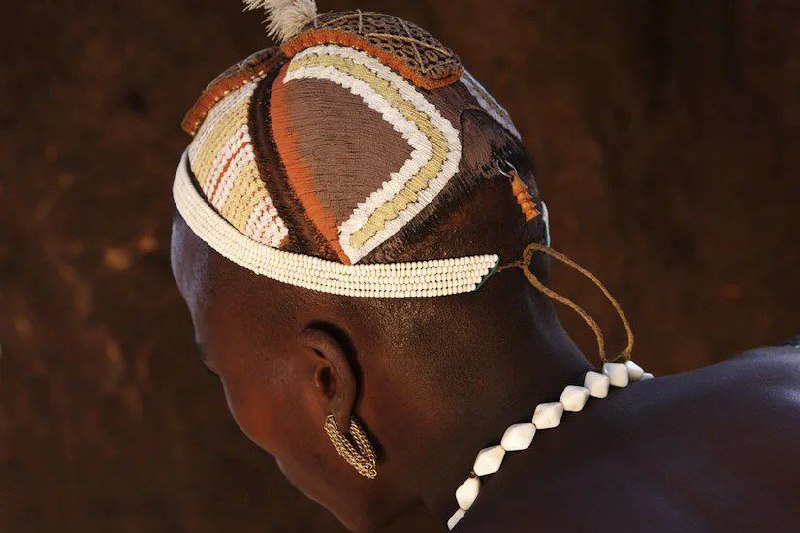



How to Stay Safe While Traveling in Ethiopia
Practical Tips for a Worry-Free Ethiopian Adventure
Ethiopia is a land of dramatic landscapes, ancient civilizations, and rich cultural traditions. From the rock-hewn churches of Lalibela to the tribal villages of the Omo Valley and the surreal Danakil Depression, the country offers one of the most unique travel experiences in Africa. But like any destination, especially one with a mix of remote areas and developing infrastructure, it’s essential to be prepared and stay aware.
Here’s a comprehensive guide on how to stay safe while traveling in Ethiopia—so you can focus on enjoying the journey.
1. Stay Informed on Regional Conditions
Ethiopia is a large and diverse country with different levels of stability across its regions. While many areas are perfectly safe, others may experience periodic unrest or travel restrictions.
- Check travel advisories from your country’s embassy or the Ethiopian Ministry of Tourism.
- Avoid conflict-prone areas, particularly border regions and areas recently affected by political tensions.
- Ask locals or your tour operator for up-to-date, on-the-ground information.
2. Use Reputable Tour Guides and Operators
If you’re venturing to remote areas like the Simien Mountains, Danakil Depression, or Omo Valley, hiring a trusted guide is strongly recommended.
- Guides can navigate cultural sensitivities, language barriers, and terrain challenges.
- In places like Danakil, travel is only permitted with licensed tour groups due to safety protocols and the harsh environment.
3. Be Culturally Aware and Respectful
Ethiopia is deeply rooted in tradition, religion, and community values.
- Dress modestly, especially when visiting churches or rural areas.
- Always ask before taking photos of people, particularly in tribal or religious settings.
- Avoid public displays of affection and behavior that may be considered inappropriate or offensive.
4. Secure Your Belongings
Like in most cities around the world, petty theft can occur—especially in crowded areas.
- Use a money belt or neck pouch to store cash, passport, and credit cards.
- Avoid flashy jewelry or expensive electronics when walking in urban areas.
- Be cautious in busy markets, bus stations, and during local festivals.
5. Stay Healthy
Ethiopia’s elevation and diverse climate zones mean it’s essential to prepare your body and protect your health.
- Drink only bottled or purified water. Avoid ice and raw food in street stalls.
- Be aware of altitude sickness in places like Lalibela and Addis Ababa—stay hydrated and rest if needed.
- Malaria is a risk in some lowland areas, especially in the south—use mosquito repellent and consider taking prophylactics.
- Pack a basic travel first aid kit with common medications, plasters, antibiotics, etc.
6. Be Smart with Transportation
Transportation in Ethiopia can range from comfortable domestic flights to overcrowded minibuses.
- Stick to registered taxis or ride-hailing apps like Ride or Feres.
- If renting a car, make sure it’s suitable for rugged conditions—especially in rural areas.
- Domestic airlines like Ethiopian Airlines are reliable for covering long distances quickly and safely.
7. Respect Local Laws and Authority
Some laws in Ethiopia may differ significantly from those in your home country.
- Drug use and possession (including marijuana) is illegal and strictly punished.
- Avoid discussing politics or taking part in protests.
- Always carry a copy of your passport and visa, especially when traveling between regions.
8. Stay Connected
Connectivity in rural Ethiopia can be unreliable, but staying in touch with someone is important.
- Buy a local SIM card (Ethio Telecom) for better coverage and cheap data.
- Share your travel itinerary with family or friends.
- In remote areas, consider carrying a GPS device or satellite communicator.
9. Trust Your Instincts
If something doesn’t feel right, don’t ignore it. Whether it’s a situation, a person, or an offer—trust your gut. Politely walk away, say “no thank you,” or seek help if needed.
Final Thoughts
Traveling in Ethiopia is a rewarding and eye-opening experience—but like any great adventure, it comes with responsibilities. With a little planning, cultural respect, and street smarts, you can navigate this remarkable country safely and confidently.
Remember: Staying safe in Ethiopia doesn’t mean being afraid—it means being prepared. Enjoy the journey, and let Ethiopia’s beauty and history amaze you.