

How to Travel Ethiopia on a Budget
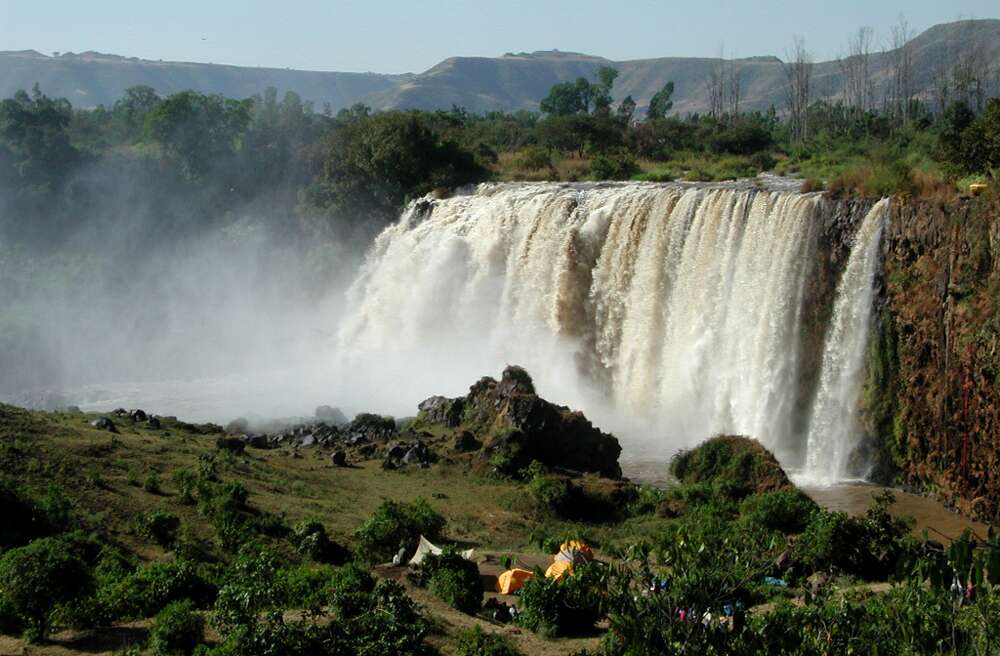
Ethiopia is one of Africa’s most fascinating travel destinations — rich in history, culture, natural beauty, and warm hospitality. From the rock-hewn churches of Lalibela to the simmering Danakil Depression, it’s a land full of awe-inspiring sites. But what many travelers don’t realize is that Ethiopia can also be an incredibly affordable country to explore — if you know how to budget wisely.
In this guide, we’ll show you how to travel through Ethiopia without spending a fortune, offering practical tips on transportation, accommodation, food, and attractions.
1. Plan Your Itinerary Around Affordable Routes
Ethiopia’s top attractions are spread out, and travel costs can add up if you’re not strategic. Consider focusing your trip on one region, like the Northern Historical Circuit or the Southern Omo Valley, rather than trying to see the entire country in one go.
- Northern Route (Budget-Friendly Highlights): Bahir Dar (Lake Tana), Gondar, Simien Mountains, Lalibela, Axum.
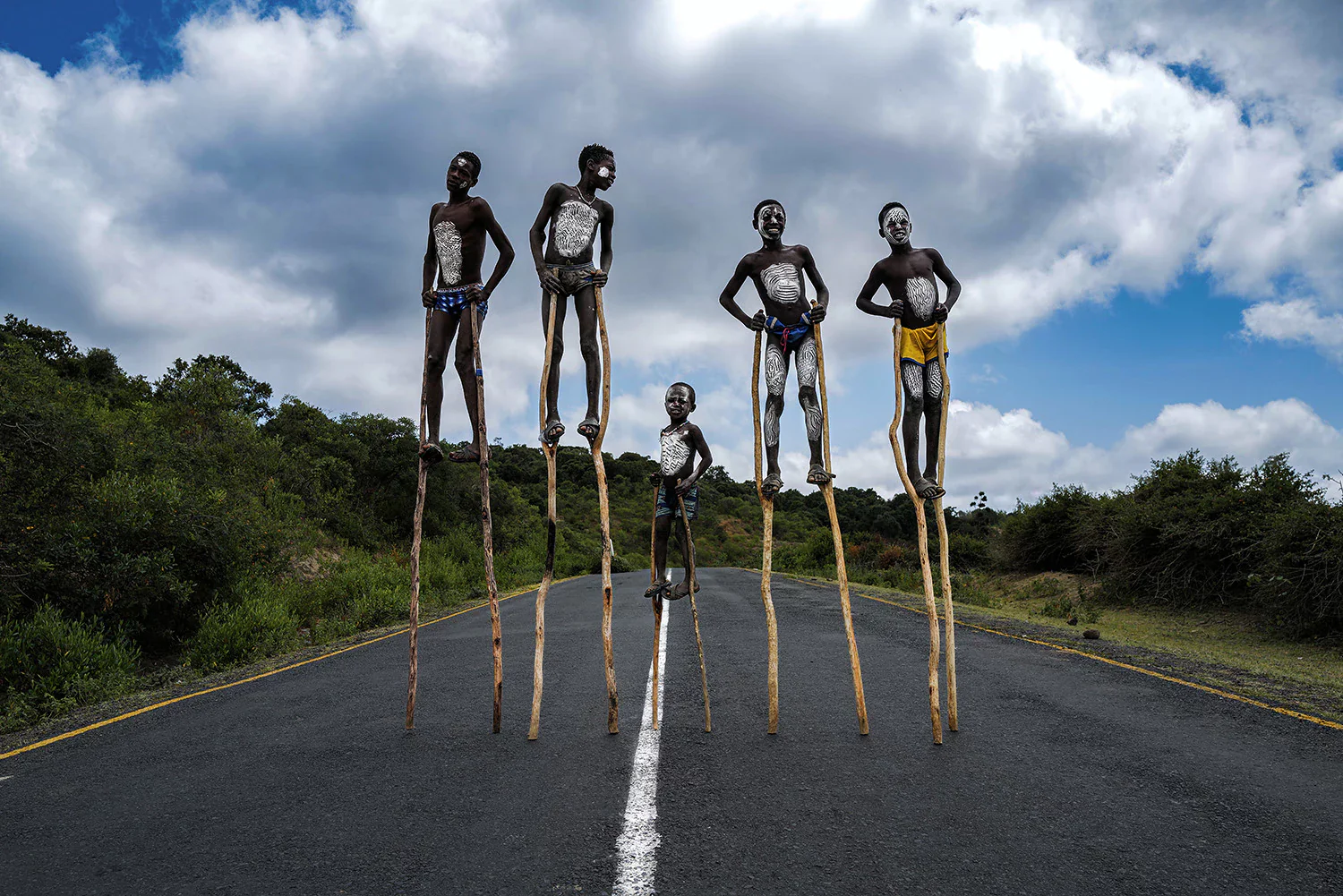
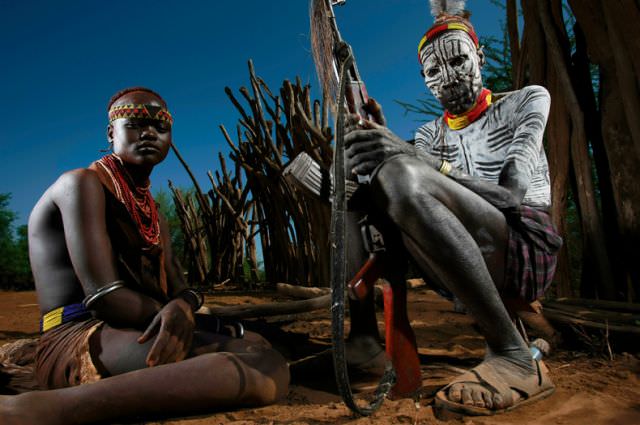
- Southern Route (Cultural Tribes & Nature): Arba Minch, Jinka, Konso, Turmi.
Domestic flights (especially via Ethiopian Airlines) are convenient, but buses and minibuses are much cheaper for overland travel.
2. Use Public Transport
Transportation is one of the biggest areas where you can save:
- Minibuses (Matatus): These are shared vans that operate between cities and towns. They’re cheap and widespread but can be crowded.
- Long-distance Buses: Companies like Selam Bus or Sky Bus offer reliable, air-conditioned transport at a low cost.
- City Transport: In Addis Ababa, use the light rail or shared blue taxis.
💡 Tip: If you book your international flight with Ethiopian Airlines, you can access discounted domestic flights — ask about this when booking.
3. Stay in Budget Accommodations
Ethiopia has a wide range of affordable lodgings, including:
- Budget hotels and guesthouses (often under $10–$20 per night)
- Local lodges and pensions (cheaper outside the major cities)
- Community-based tourism lodges (like in Dorze or Konso)
Use platforms like Booking.com or ask locals and tour guides — often the best deals aren’t online.
4. Eat Like a Local
One of the easiest ways to save is on food:
- Injera and wot (stew) meals at local restaurants cost as little as $1–$2.
- Shiro, firfir, and tibs are delicious and cheap.
- Coffee ceremonies are a must — and affordable at just a few birr.
Avoid tourist restaurants in hotels — local eateries (known as “tegbar bet”) are better value and more authentic.
5. Negotiate and Bargain (Respectfully)
Whether it’s for taxis, souvenirs, or market items, bargaining is expected in many places. Do it with a smile and a respectful tone.
- Ask locals for the “normal price” before negotiating.
- When booking tours, compare at least two to three operators.
6. Join Group Tours or DIY with Local Guides
Private tours can be expensive, but you can:
- Join group tours to split costs (especially in Simien Mountains or Danakil).
- Hire a local guide directly at the site (often cheaper than agency prices).
- Use community tourism initiatives — they’re budget-friendly and benefit local communities directly.
7. Free & Low-Cost Attractions
Not everything in Ethiopia comes with a price tag:
- Explore local markets, like Merkato in Addis.
- Walk around Lake Tana, or watch the sunset in Bahir Dar.
- Visit free museums or churches (some ask for small donations).
- Attend festivals, like Timket or Meskel, for a rich cultural experience without a fee.
8. Budget Daily Expenses Estimate
Here’s a rough budget breakdown for a low-cost traveler in Ethiopia:
| Category | Daily Cost (USD) |
|---|---|
| Accommodation | $10–20 |
| Food | $5–10 |
| Transport | $3–10 |
| Attractions | $5–15 |
| Total | $25–$50/day |
With planning, it’s possible to travel comfortably for under $40/day.
Final Thoughts
Traveling Ethiopia on a budget doesn’t mean missing out. In fact, by staying in local places, eating traditional meals, and using public transport, you’ll experience the country more authentically — and help support local communities along the way.
Whether you’re trekking the Simien Mountains or sipping coffee with locals in a village, Ethiopia proves that unforgettable travel doesn’t have to be expensive.