

Essential Packing List for Ethiopia: What to Bring & What to Leave
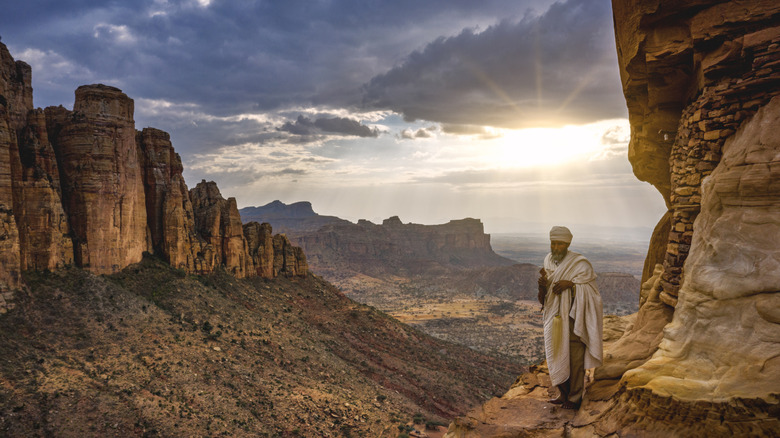
Ethiopia is a land of vibrant cultures, breathtaking landscapes, and historical wonders—ranging from the chilly Simien Mountains to the scorching Danakil Depression. Packing for such a diverse destination requires thoughtfulness and balance. Whether you’re trekking in the highlands, exploring ancient churches, or immersing yourself in local festivals, this essential Ethiopia packing list will help you prepare efficiently—bringing what’s important and leaving behind what you don’t need.
✅ What to Bring
🎒 Travel Essentials
- Passport & Visa – Ensure your passport is valid for at least 6 months. Most nationalities need a visa (available online or on arrival).
- Travel Insurance – Health, theft, and emergency coverage are highly recommended.
- Cash (USD & Local Currency) – Ethiopia is still largely a cash economy, especially outside Addis Ababa. Carry small denominations.
- Credit/Debit Cards – Use mainly in Addis and for higher-end hotels or flights.
- Vaccination Certificate – Especially Yellow Fever, if you’re arriving from certain countries.
👕 Clothing
Ethiopia’s climate varies by altitude. Layering is key.
- Lightweight T-Shirts & Long Sleeves – Breathable for hot days, and long sleeves for sun and mosquito protection.
- Warm Sweater or Fleece – Nights and mornings in high-altitude areas (like Lalibela or Simien Mountains) can be very cold.
- Rain Jacket or Poncho – Especially if you’re visiting during the rainy season (June–September).
- Hiking Pants & Comfortable Walking Clothes – Essential for adventure or trekking.
- Modest Clothing – Respectful attire is important, especially in religious sites (shoulders and knees covered).
- Hat or Cap & Sunglasses – Protection from strong sun, especially in lower altitudes and deserts.
- Swimsuit – For hotels with pools or hot springs like Wondo Genet.
👟 Footwear
- Sturdy Hiking Boots or Shoes – For trekking or exploring uneven terrain.
- Sandals or Flip-Flops – For casual walks or showers.
🧴 Toiletries & Health
- Sunscreen (high SPF) – The sun is intense, even in cool areas.
- Insect Repellent (with DEET) – Particularly useful in the lowlands and south.
- Hand Sanitizer & Wet Wipes – Many rural areas lack facilities.
- Basic First Aid Kit – Include painkillers, anti-diarrheal medication, rehydration salts, band-aids, etc.
- Prescription Medications – Bring enough for your trip, as local pharmacies may not stock them.
- Toilet Paper or Travel Tissue – Often not available in public toilets.
🔌 Electronics & Accessories
- Universal Power Adapter – Ethiopia uses Type C, E, and F plugs (like Europe), and the voltage is 220V.
- Power Bank – For areas with unreliable electricity.
- Camera or Smartphone with Storage – Ethiopia is incredibly photogenic.
- Flashlight or Headlamp – Essential for power outages or rural stays.
📚 Other Useful Items
- Travel Guidebook or Offline Maps – Especially helpful when internet access is limited.
- Notebook or Journal – Document your experience.
- Reusable Water Bottle & Filter or Purification Tablets – Tap water is not safe to drink.
- Small Daypack – For daily excursions and hikes.
- Earplugs – For noisy nights in the city or near churches with early prayers.
❌ What to Leave Behind
❌ Overly Revealing Clothes
Cultural norms in Ethiopia are conservative. Short shorts, crop tops, or low-cut shirts can draw unwanted attention and offend local customs.
❌ Too Much Technology
Avoid bringing expensive gadgets unless necessary. Theft isn’t widespread but can happen, especially in crowded urban areas.
❌ High-Heeled Shoes
They’re impractical for Ethiopia’s rough terrain, cobbled streets, and hikes.
❌ Heavy Winter Gear
Unless you’re camping in the Simien or Bale Mountains, bulky winter coats are unnecessary. Layering lighter clothes is more versatile.
❌ Unneeded Valuables
Leave behind excessive jewelry, luxury watches, or flashy accessories. Simpler is safer and more respectful.
❌ Non-Biodegradable Plastics
Ethiopia banned plastic bags nationwide. Bring reusable alternatives instead.
Final Tip: Travel Light but Prepared
Ethiopia’s geography and culture are full of contrasts. Pack with versatility in mind: think layers, respect for culture, and readiness for both remote and urban adventures. The lighter and smarter you pack, the more freedom you’ll have to explore this remarkable country with ease and comfort.
Ready to pack your bags for Ethiopia? If you’d like a printable version of this checklist or personalized recommendations based on your destination (north, south, or adventure-specific), just ask!